
Skip to content

Capability

Rotary die cutting

Roll-to-roll cutting for repeat parts, with registration and edge quality checked through the run.

Rotary die cutting

Definition

What this process does

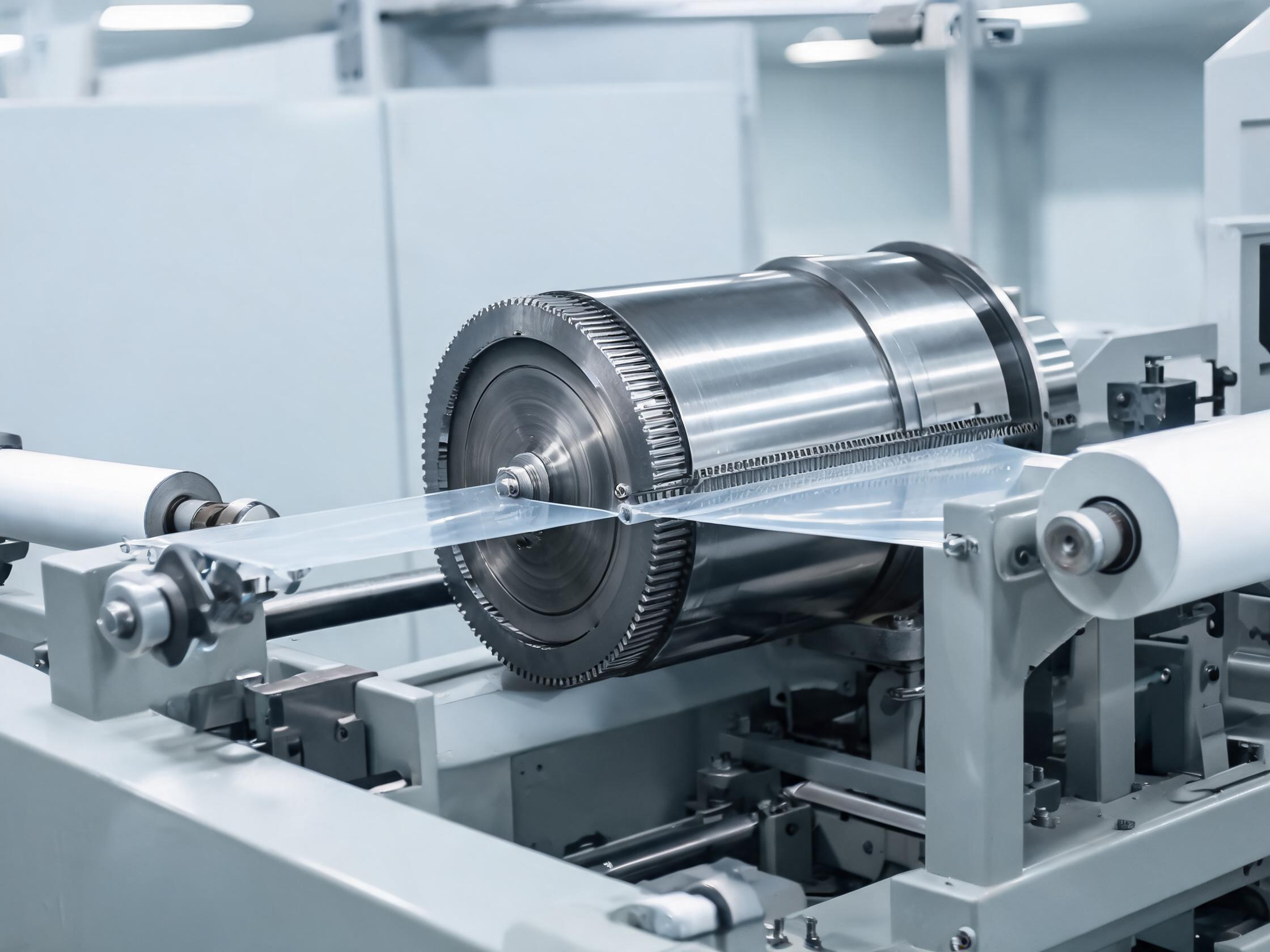
Rotary die cutting is a roll-to-roll process for repeat parts. A cylindrical tool cuts, perforates or kiss-cuts the web as it passes, which makes it suitable for higher volumes and long runs.

Registration is monitored through the run. Finished parts can be supplied on the liner, in a roll or as singulated pieces.

Boundaries

Where this process fits

Sample boundaries; the final route is confirmed from the material and drawing.

  • Tooling cost is justified by volume; short runs are usually quoted on a flatbed or laser sample.
  • Materials with high compressibility may need a dedicated anvil setting.
  • Part geometry must allow the web to remain stable through the cut.

Materials

Materials we can convert

  • Tapes on film carriers
  • Foam and nonwoven materials
  • Transfer adhesives
  • Films and foils

Capability range

Parameters

Values are confirmed per material and per drawing.

Capability range
ParameterValue
Typical repeat lengthUp to 1,000 mm (sample)
Cut tolerance±0.15 mm (sample)
Line speedUp to 30 m/min (sample)
RegistrationPrint-to-cut mark (sample)

FAQ

Common questions

When is rotary cutting the right choice?

When the part repeats at volume and the web can run continuously. Short runs are usually quoted another way.

Can you cut printed material?

Yes. Registration marks are used to align the cut to the print.

How are parts delivered?

On the liner, in a roll, or as separated pieces, depending on the assembly method.

Quotation

Send the part for rotary die cutting

Include the material, the drawing and the acceptance criteria. We will confirm the route.