
Skip to content

Capability

Flatbed die cutting

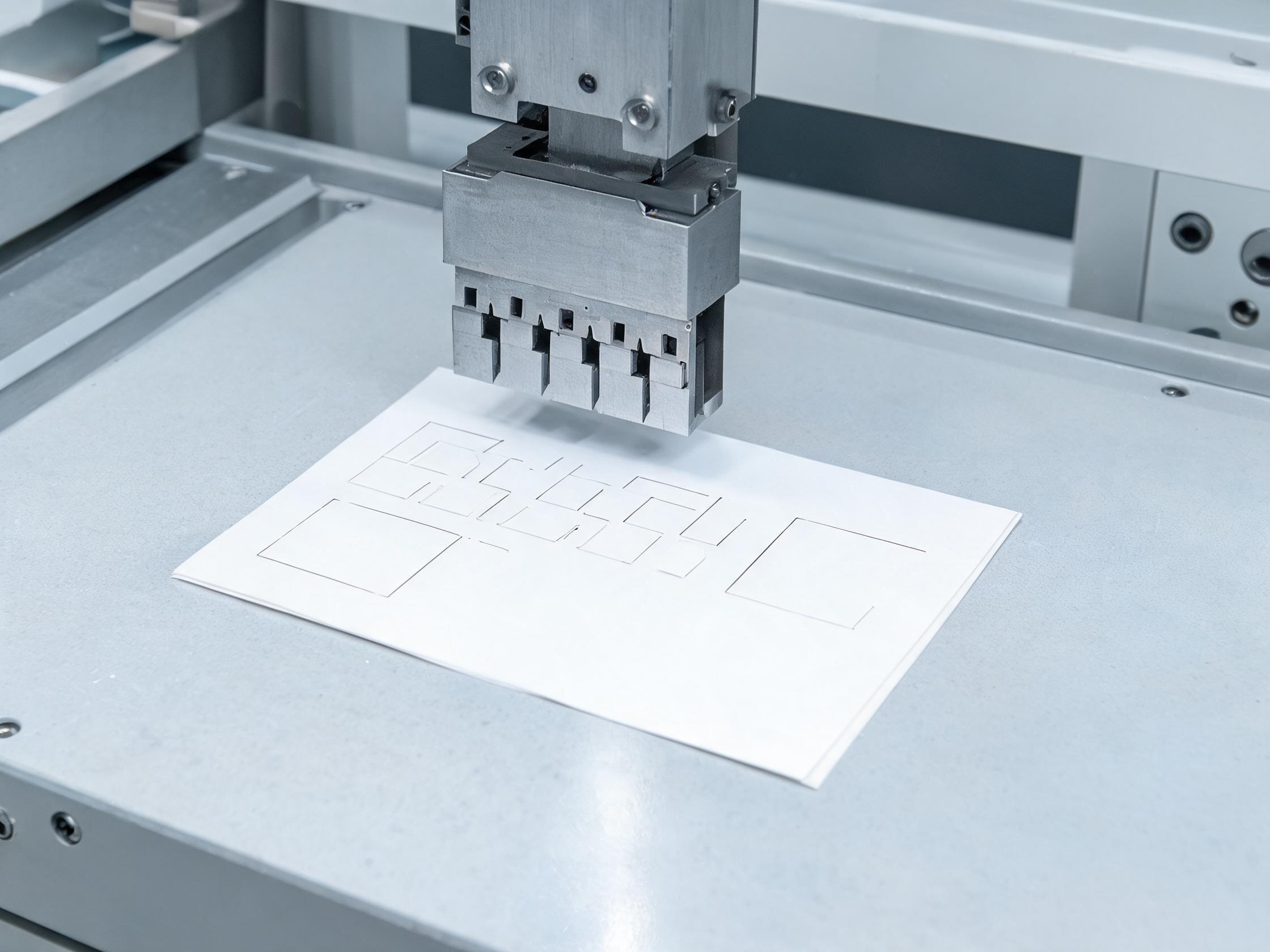
Sheets and laminates are cut into shaped parts, with kiss-cut options that keep the liner intact.

Flatbed die cutting

Definition

What this process does

Flatbed die cutting turns sheets or laminated panels into finished shapes. It suits thicker foams, gaskets and short runs where a rotary tool would not be economical.

Kiss-cut, through-cut and perforation options are available. Cut depth and edge quality are checked against the drawing before the batch is released.

Boundaries

Where this process fits

Sample boundaries; the final route is confirmed from the material and drawing.

  • Minimum inside radius depends on material thickness and tool condition (sample).
  • Very small holes in thick foam may need a stepped tool.
  • Hard tooling is required for repeated production; laser-cut samples are available for fit checks.

Materials

Materials we can convert

  • Double-sided tapes
  • Foam and gasket materials
  • Films and foils
  • Laminated constructions

Capability range

Parameters

Values are confirmed per material and per drawing.

Capability range
ParameterValue
Typical sheet sizeUp to 1,000 × 1,400 mm (sample)
Cut tolerance±0.2 mm (sample)
Material thickness0.05–10 mm (sample)
Cut modesKiss-cut / through-cut / perforation

FAQ

Common questions

Can you cut a trial without hard tooling?

Yes. A laser-cut or hand-cut sample can be supplied for a fit check before tooling is released.

What affects the minimum hole size?

Material thickness, foam density and tool strength. The drawing is reviewed before quoting.

Can parts stay on the liner?

Yes. Kiss-cut parts can be supplied on the liner for manual or automated pickup.

Quotation

Send the part for flatbed die cutting

Include the material, the drawing and the acceptance criteria. We will confirm the route.